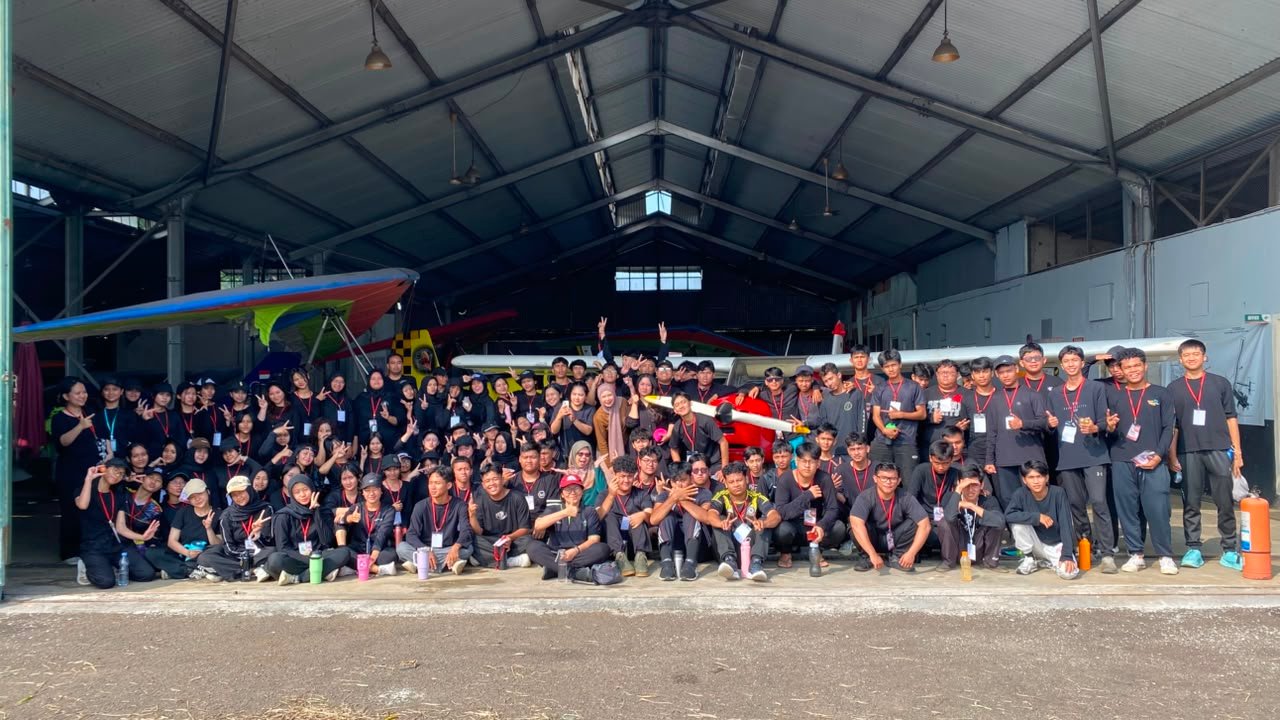
At 6:00 a.m. on Wednesday, August 19, 2026, the campus of Sekolah TInggi Pariwisata Bogor, also known as Bogor Hotel Institute, was already full of energy. The new students stood in neat lines, ready to be taken to Atang Sendjaja Indonesian Air Force Base. This was where their journey began, from zero. No one was there to boast about graduating from a favorite school or winning a provincial competition. For the next two days, they were all equal: new participants, still inexperienced, just as they would be on their first day at work.
The Campus Life Introduction for New Students, or PKKMB, was held over two days in cooperation with the Territorial Office of Atang Sendjaja Air Force Base. The entire program was led by a TNI training team, while lecturers from STP Bogor accompanied the students from start to finish.
For those unfamiliar with it, Atang Sendjaja is not an ordinary air base. Located in Kemang, Bogor Regency, it was once known as Semplak Air Base. The base was built during the Dutch colonial era in the early 1930s and witnessed fierce air battles during World War II. In 1966, it was renamed to honor Lt. Col. Atang Sendjaja, an Indonesian Air Force officer who received a posthumous rank after dying while carrying out a state duty in 1965.
Today, this Type A base is known as the home of Indonesian Air Force helicopters. From here, Air Wing 4 and its helicopter squadrons carry out search and rescue missions and disaster relief operations across the country. Alongside Halim Perdanakusuma and Iswahyudi, Atang Sendjaja is one of the most strategic bases in Indonesia and is even entrusted with protecting two vital state facilities, namely Bogor Palace and Cipanas Palace.
So, what does this have to do with hospitality students? Quite a lot. The base offers an atmosphere that cannot be copied on campus, from continuous readiness and discipline to neat teamwork. These are the same values that drive the hospitality industry. With open grounds for obstacle course training and a long history that can be felt in every corner, lessons about national defense become real, not just presentation slides.
The presence of the lecturers and staff was not just a formality. Lecturers who usually stand in front of the classroom were there beside the field. Administrative staff also stayed until the evening activities were over. The message was simple: students should not be afraid to ask questions. They do not need to wait for consultation hours or bring an introduction letter just to knock on a lecturer's door. Yet many academic and internship problems drag on simply because students are too shy to speak first.
The opening ceremony took place at 8:00 a.m., after registration and a short rehearsal. After a group photo and the introduction of traditions, the pace quickly changed. Group dynamics forced students who did not yet know one another to work together immediately. An hour of yell practice became an ice breaker that removed the awkwardness between students. Voices that were once hesitant and quiet slowly became loud and compact.
For some students, shouting in front of many people may feel frightening. Yet in the hospitality world, the courage to speak up is a key strength. One must be willing to greet guests first or give clear instructions to teammates during busy hours. This kind of ability does not come from reading theory books. It grows through repeated practice until shyness disappears.
Toward noon, participants received leadership material with a national defense perspective. After lunch, the session continued with mental and character strengthening, as well as an explanation of the difference between soft skills and hard skills. For new students, this last topic answered a question they often keep to themselves. Why is hospitality study not enough with technical skills only? Setting a table can be mastered in a few weeks, but handling an angry guest at 11:00 p.m. requires a trained mentality.
In the afternoon, the material moved to more basic matters, such as identifying crawling animals and handling LPG gas leaks. This topic is often considered minor, even though hotel kitchens are full of gas cylinders, and many STP Bogor graduates will begin their careers there. When the smell of gas is noticed during a busy service, what determines safety is not the best cook, but the person who can stay calm and avoid panic.
Nighttime was not a time for complete rest. After dinner, participants received material on organizational management, followed by a caraka malam simulation that lasted almost two hours. In dark, tired, and pressured conditions, they were tested on delivering messages accurately. This simulation closely resembles a shift handover in a hotel, especially when passing information about guests with special requests. One wrongly delivered message can lead to one disappointed guest.
The tension finally melted away during the intimacy night and art performance. The group that had marched stiffly during the day turned into an audience that cheered and supported their own friends. The new students were allowed to rest at 11:00 p.m., before being woken up again for dawn prayer five and a half hours later.
The short sleep was not without reason. The hospitality industry runs 24 hours a day, and the morning shift begins long before guests wake up. It is better for students to experience the surprise of an early morning wake up at Atang Sendjaja now, while mentors are still there to guide them, than to be shocked on their first internship day.
The second day was more dynamic and physically demanding. It began with morning exercise and field psychology, followed by a visit to military equipment that gave students a rare chance to see military tools directly. The peak was the obstacle course, which ended with an exciting moment when participants were sprayed with water from a fire truck. This memory will surely be told again and again on campus.
The obstacle course taught a lesson that cannot be delivered without direct action. There is always one person who falls behind, and a team is not considered finished until every member has crossed. This principle is exactly the same as working in a kitchen or hotel lobby. No one can say their task is complete while a teammate is still overwhelmed.
The closing appeal was held near midday. The black shirts worn since the previous morning were already wet and dirty, but that was where their meaning felt the most. Two days earlier, those shirts were worn by a group of strangers. By that afternoon, the same shirts were worn by one cohort that had been tired and struggled together.
Over the next four years, they will learn to calculate food cost, create destination marketing strategies, and serve guests according to international standards. All of that can be taught in class. However, the willingness to wake before sunrise, the calmness when plans fall apart, and the habit of looking back to make sure no friend is left behind cannot be taught through presentation slides. Two days at Atang Sendjaja did not teach them how to serve guests, but they shaped a strong and resilient mentality that can support service excellence throughout the day.
That commitment to building people is not new. For 27 years, STP Bogor has consistently produced excellent talent for the hospitality industry. Its recipe is simple but proven effective: practical learning, close cooperation with industry, and an alumni network spread far and wide. The results speak for themselves. More than 90 percent of graduates are absorbed into the workforce, and many have even started their careers before officially graduating.
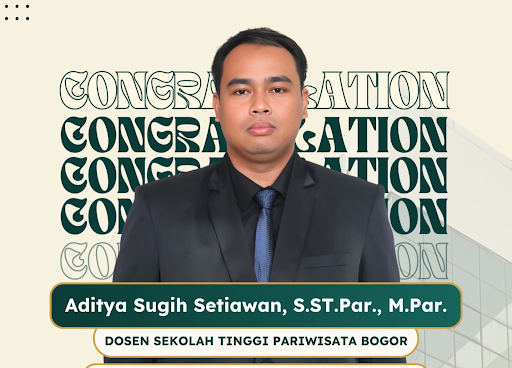
STP Bogor Lecturers Receive Professional Educator Certificates (Serdos), Strengthening Sustainable Hospitality and Tourism Education Quality
Aditya Sugih Setiawan and Dr. Pipin Noviati Sadikin from STP Bogor received Serdos Educator Certificates in September 2026, proving Tri Dharma professionalism and hospitality education quality.
Read more