The hotel industry has a distinctive organisational structure designed to keep operations efficient and service consistently good for guests. A hotel's structure is usually divided into departments, each carrying its own responsibilities and functions. Here are the key terms and structures worth knowing.
1. General Manager (GM)
The General Manager is the most senior figure in a hotel, responsible for operations as a whole. The GM ensures every department works effectively and efficiently, and that the agreed strategic goals are met.
2. Assistant General Manager (AGM)
The Assistant General Manager supports the GM in running the hotel day to day. The AGM typically handles administrative duties and ensures coordination between departments runs smoothly.
3. Front Office Department
Front Office Manager — responsible for all front desk activity, including guest check-in and check-out, reservations, and guest services. They ensure guests have a positive first experience on arrival.
Guest Service Agent (GSA) — staff who deal directly with guests at the front desk, handling check-in, check-out, and the various requests guests make during their stay.
4. Housekeeping Department
Executive Housekeeper — leads the housekeeping department and is responsible for the cleanliness and upkeep of guest rooms and public areas.
Room Attendant — staff who clean and tidy guest rooms, making sure each one is in perfect condition for the next guest.
5. Food and Beverage Department
Food and Beverage Manager — oversees all food and drink operations in the hotel, including restaurants, bars, room service, and special events.
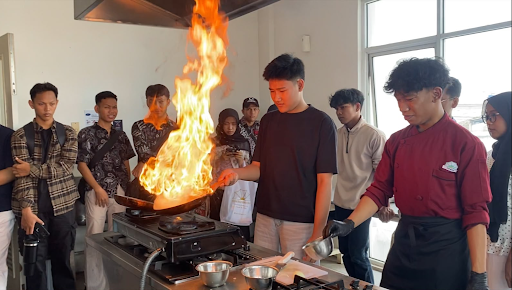
Chef de Cuisine (Executive Chef) — responsible for the kitchen and all culinary activity, ensuring food quality and presentation meet high standards.
6. Sales and Marketing Department
Sales and Marketing Director — develops the strategy for marketing the hotel and attracting guests, working with the team to increase sales of rooms, services, and facilities.
Sales Manager — focuses on selling and marketing hotel services to corporate clients, travel agents, and individuals, and manages relationships with clients and business partners.
7. Human Resources Department
Human Resources Manager — manages recruitment, training, staff development, and performance management, ensuring the hotel has a capable and motivated team.
8. Maintenance Department
Chief Engineer — leads the maintenance team and is responsible for the upkeep of the hotel's physical facilities, including repairs and routine maintenance.
9. Finance and Accounting Department
Finance Manager or Controller — manages the hotel's financial affairs, including bookkeeping, budgeting, and financial reporting, ensuring finances are sound and compliant with applicable regulations.
Conclusion
A hotel's organisational structure is designed so that every aspect of operations runs smoothly and efficiently. Each department carries specific roles and responsibilities, and all of them work together to give guests the best possible experience. Understanding these terms and structures matters for anyone who wants to build a career in hospitality, or simply to understand how a hotel operates.
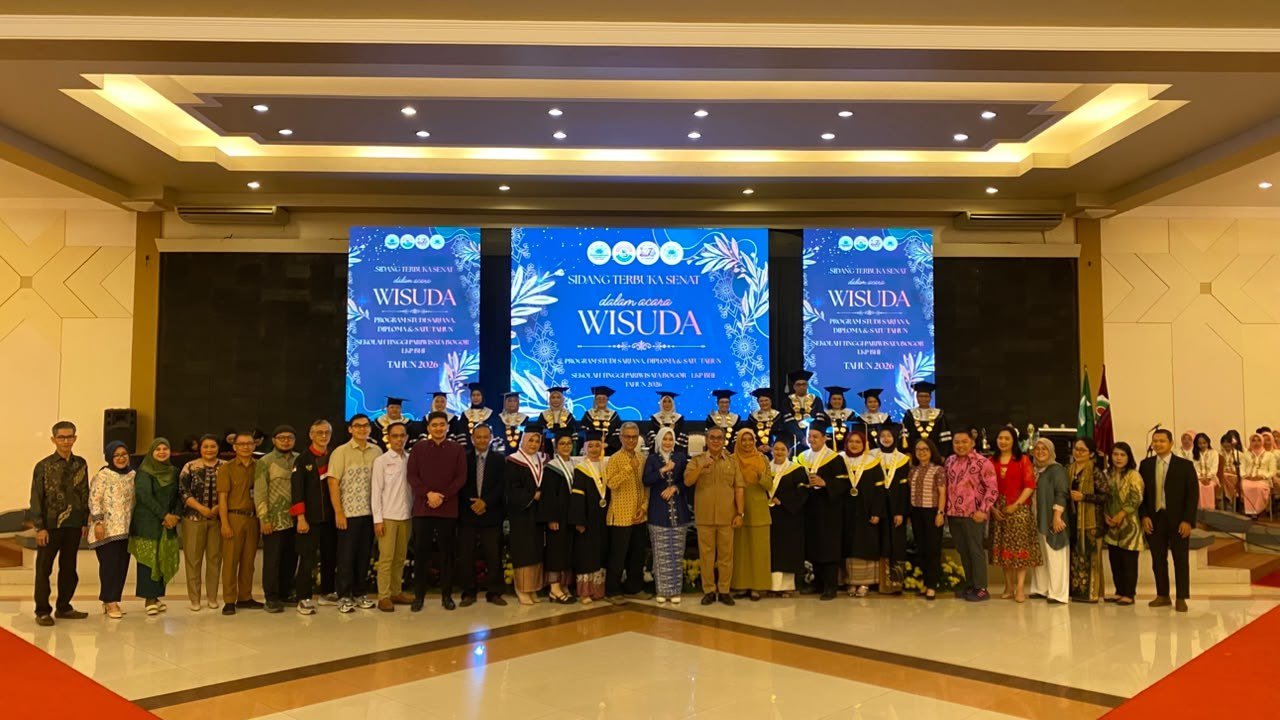
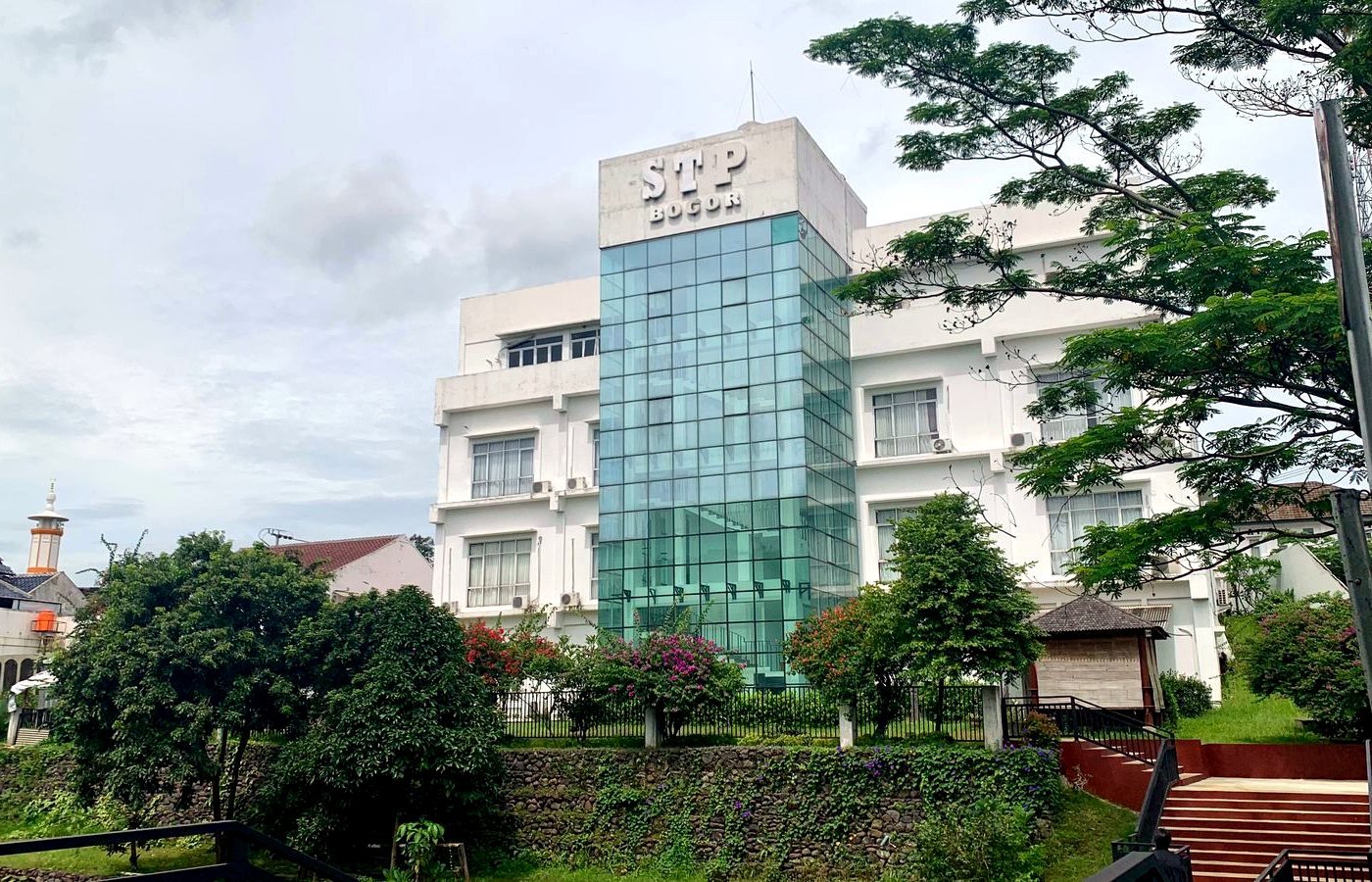
At Sekolah Tinggi Pariwisata Bogor, students encounter this structure early in their studies and put it into practice through the hotel laboratory and internships with partner hotels, so they are familiar with real working patterns before entering the workplace.